In winter, pet care turns into a sequence of small and important steps. The air becomes drier, the skin reacts with itching and peeling, and the coat loses elasticity and shine. Washing an animal just for the sake of cleanliness is not enough. It is important to understand the purpose of the procedure, schedule, and tools. Incorrect shampoo, excessive bathing or poor-quality drying lead to bumps, irritation and loss of natural protection of the coat. Proper routine solves these problems efficiently and gently.
Grooming And Bathing Frequency
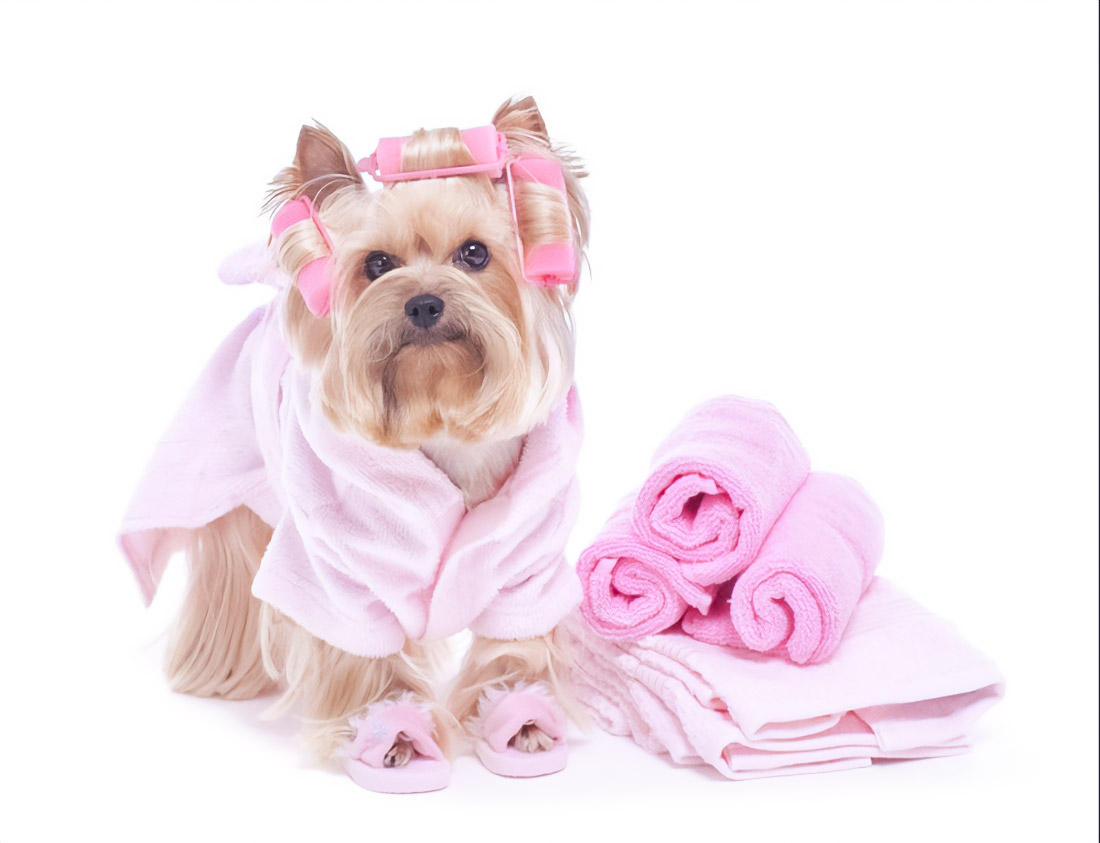
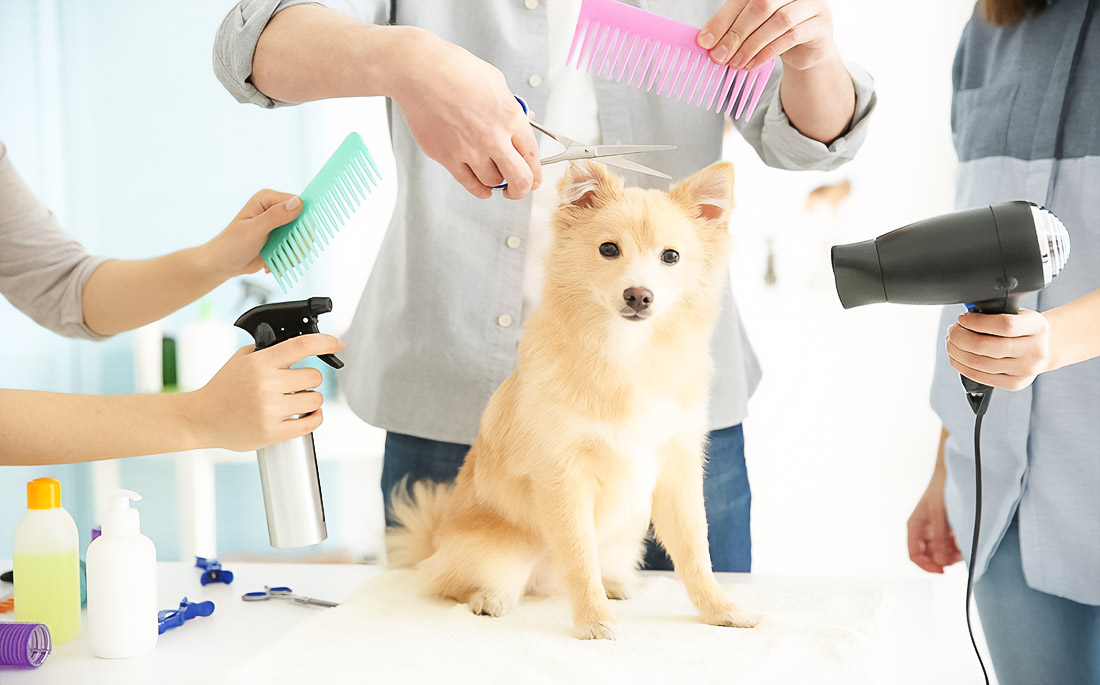
Each breed requires an individual care scenario. Dogs with oily fur need baths about once a week, which helps to remove excess sebum and prevent unpleasant odors. For pets with a double undercoat, a different approach is suitable, bathing less often, about once every 4-6 weeks, with an emphasis on blowing the undercoat and regular combing. It is impossible to shave such wool, it regulates heat exchange and protects the skin from temperature fluctuations. Slicker brush, pin brush and undercoat rake are used for combing, these tools control molting and prevent matting. Short-haired dogs, with minimal contamination, get by with rare baths, sometimes once every few months. Hairless breeds, on the contrary, require weekly bathing, as their skin gets dirty faster and becomes more sensitive. Long-haired cats are typically bathed once every 3–4 weeks with daily brushing, while short-haired cats are bathed once every 4–6 weeks with brushing two to three times a week. For those looking for reliable specialists, Professional Dog Groomers In Dubai often recommend adjusting this schedule depending on the humidity level and coat density.
Remedies, Drying And Prevention Of Skin Problems
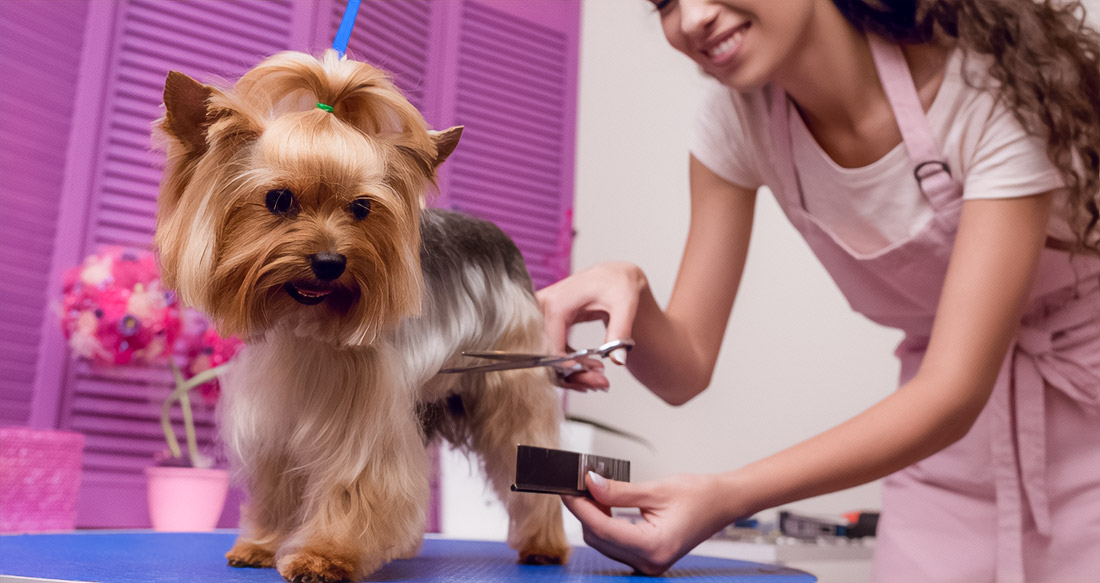
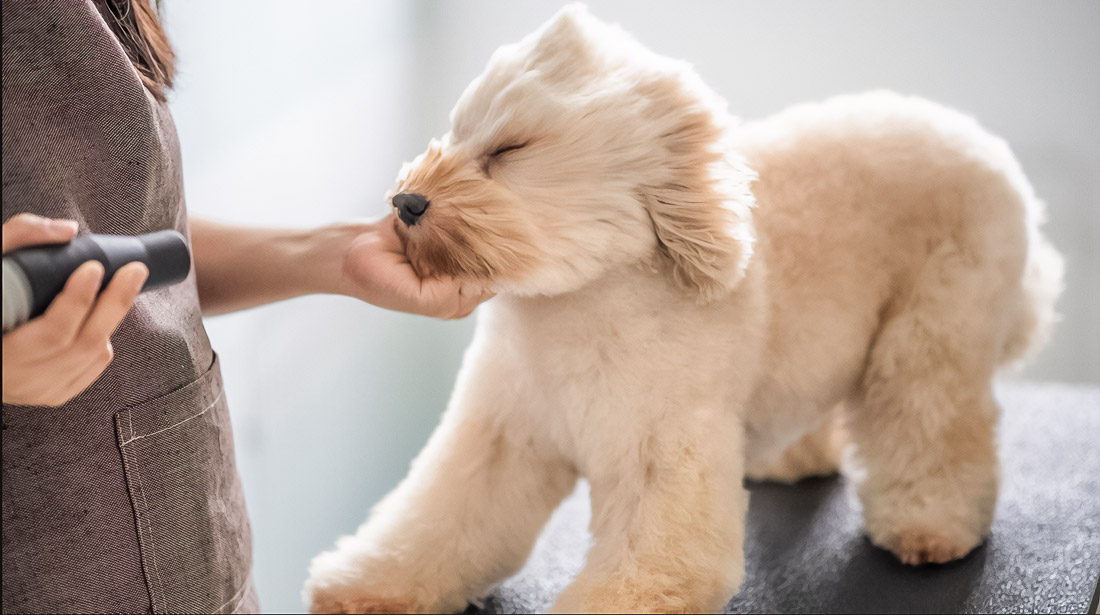
In winter, the main principle is hydration and delicacy. It is better to choose shampoos with oatmeal or aloe, they soften the skin and reduce the risk of irritation. If you are prone to allergies, sulfate-free formulas or hypoallergenic formulations are useful, they maintain a protective barrier. After bathing, complete blow-drying is required, without overheating and haste, residual moisture provokes hot spots and itching. Conditioners and sprays make combing easier and improve the conditioning of the coat, reducing friction and the risk of tangles. Preventive procedures, deshedding, regular skin examination, dandruff and odor control are useful. Increased molting, tangles, itching, or a pungent odor suggest that immediate grooming and routine adjustments are needed.
Paws, Ears, Eyes, And Safe Hygiene
The paws are the first to suffer, the pads dry out, crack, and contact with hot asphalt and sand increases irritation. Moisturizing paw balm and trimming the fur between the fingers help, this reduces slipping and dirt accumulation. In extreme heat, cooling wipes and protective boots help out, especially after long walks. The claws are trimmed every 2-4 weeks, this prevents pain, injury and incorrect positioning of the paws. The ears and eyes are examined weekly, cleaned as they become dirty, and tear staining is monitored in light-haired breeds. Professional or mobile grooming reduces stress and saves time, the average cost of the procedure is usually about 100-300 dirhams, the total depends on the size of the pet and the services chosen. The mobile format is convenient in hot climates, logistics are easier, and a trip to the salon does not tire the animal. Regularity and observation create a stable result, the skin is calm, the coat is shiny, the paws are protected. A pet feels confident when the routine is structured and predictable. Monitor the signals of behavior and the condition of the coat, adjust the schedule and care. This system works smoothly and reliably, especially during AnchorDubai’s changeable winter.

Hiking addict, ramen eater, fender owner, Saul Bass fan and javascripter. Acting at the fulcrum of beauty and computer science to give life to your brand. My opinions belong to nobody but myself. Tropical swift lover.