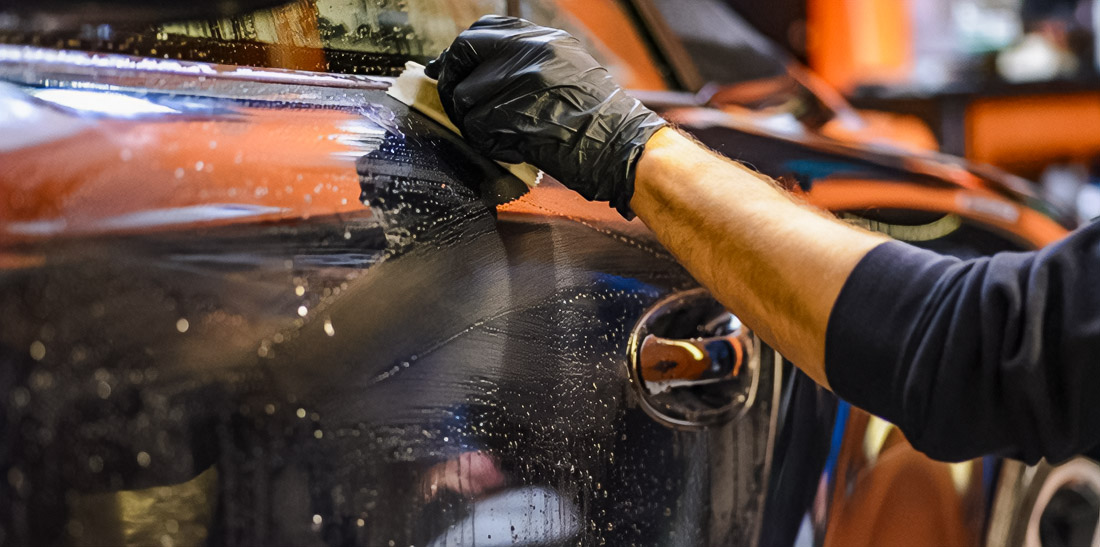
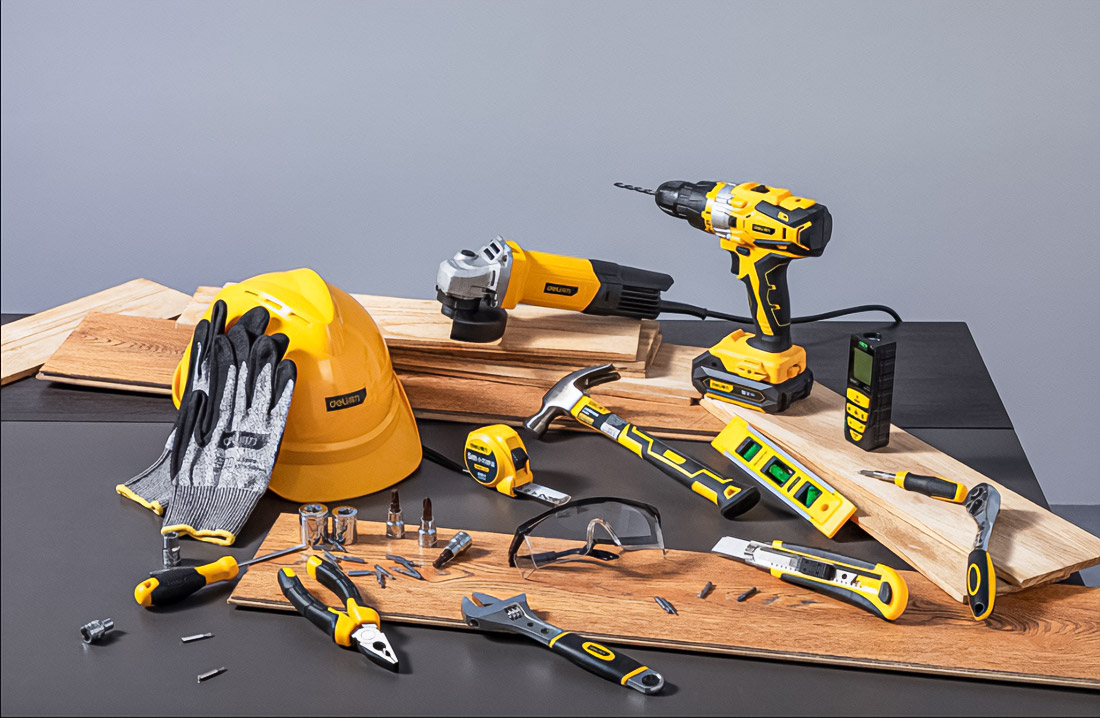
In modern metalworking processes, heat dissipation in the cutting area is one of the key factors limiting process stability, surface quality, and tool life. When processing hard-to-process materials such as titanium and heat-resistant alloys, the temperature in the cutting area can reach 800-1200°C. At such values, tool wear accelerates, friction increases, chip removal worsens, and the risk of thermal deformation of both the tool and the workpiece increases. These thermal effects are especially critical not only for machine tools but also for manually operated equipment, where operator safety often relies on protective solutions such as heat resistant gloves.
Traditional external cooling methods do not always provide an efficient heat sink. The coolant often does not reach the cutting edge due to chip shielding and high tool rotation speed. As a result, the cooling is uneven, and the heat load is concentrated in the most critical areas, increasing thermal stress on cutting tools and surrounding equipment typically supplied through established machine tool supply chains.
The Principle of Operation of Internal Cooling
The internal cooling channels are a system of microchannels running inside the tool body from the shank to the cutting area. The diameter of such channels is usually from 0.5 to 3 mm, and the outlet nozzles are orientated at an angle of 30-60° directly to the cutting edge and the chip-forming zone.
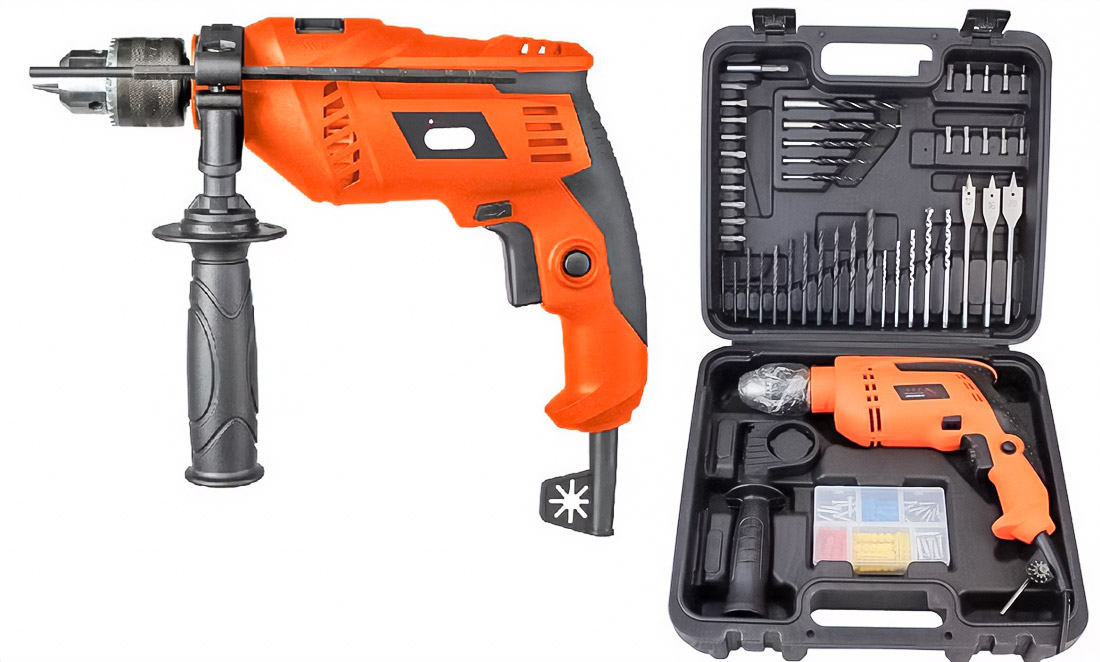
The coolant is supplied under high pressure – in the range of 7-30 MPa – and in some systems through cooling, the pressure can reach 70-1000+ psi. The liquid flow flows directly into the cutting area, providing direct heat dissipation, temperature reduction and simultaneous chip removal. This direct delivery approach is increasingly adopted not only in large machining centres but also in compact production environments and workshops using specialised hand tools Dubai markets often serve for precision and maintenance operations.
Due to this approach, the cutting temperature is reduced by an average of 40-60%, which directly affects the reduction of tool wear and increases the stability of the process.
Heat Sink, Friction and Tool Wear
The main advantage of internal cooling is the controlled heat exchange. Lowering the temperature reduces the thermal deformation of the tool and stabilises the geometry of the cutting edge. At the same time, the coolant performs a lubricating function, reducing the coefficient of friction between the tool, the chips and the processed material.
Reducing friction leads to a reduction in the intensity of adhesive and abrasive wear. In practical terms, this translates into a multiple increase in tool life. In one of the recorded cases, the tool life increased by about 29 times compared to the previous solution while maintaining cutting modes.
Chip Removal and Process Stability
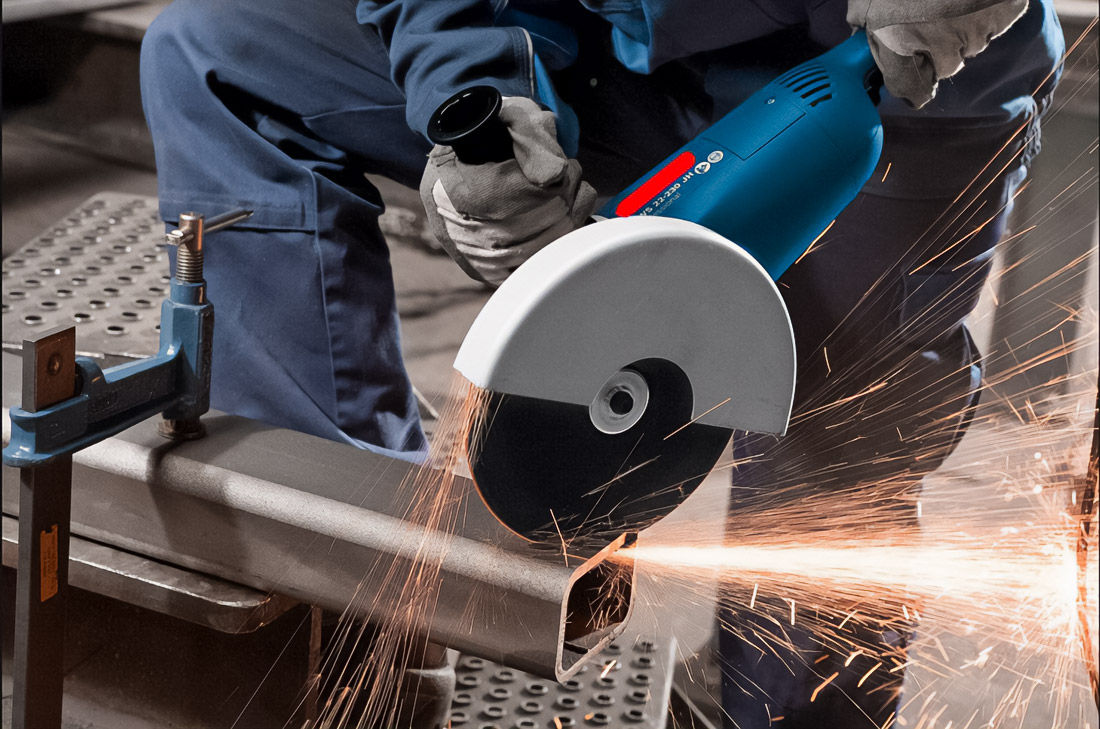
Effective chip removal is a critical factor, especially for deep drilling. The internal cooling channels create a directed liquid flow that flushes the chips out of the cutting area and prevents their accumulation.
This is especially important when processing holes with a length-to-diameter ratio (L/D) of more than 15:1, and in some cases more than 20:1. At such values, without forced chip removal, the risk of tool jamming, deterioration of surface quality and equipment failure increases. Stable chip control not only protects the tool but also improves operational safety, reducing the need for manual intervention where protective measures such as heat resistant gloves become essential.
Thanks to internal cooling, stable operation is achieved at feed rates of 0.1–0.2 mm/rev and hole depths up to 1000 mm without the need for pre-drilling or frequent intermittent cycles.
Impact on Surface Quality and Accuracy
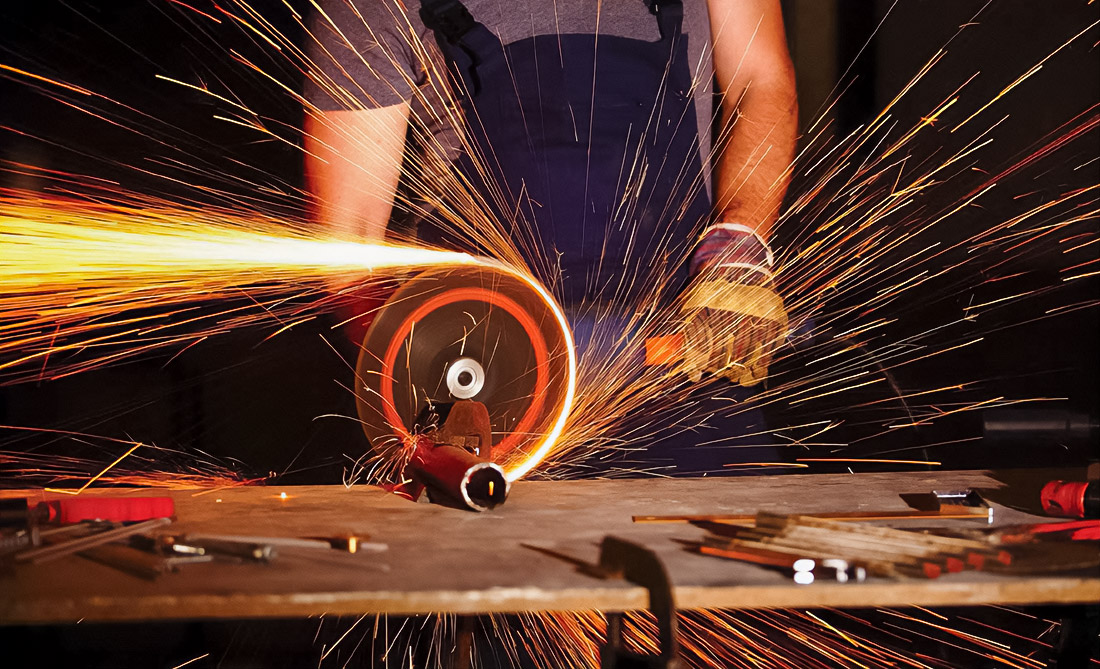
Reducing the temperature in the cutting area and stable chip removal directly affect the quality of the treated surface. Roughness is reduced, the likelihood of burns and microcracks is reduced, and dimensional accuracy is increased.
With uniform cooling, temperature gradients decrease, which is especially important for parts with high requirements for geometric stability. This is relevant for both deep processing and high-speed cutting modes.
Structural and Technological Limitations
Despite the obvious advantages, internal cooling duct systems have a number of limitations. One of the key problems is the roughness of the inner surfaces of the channels, especially when they are manufactured using additive methods. Increased roughness increases the surface area, improving heat transfer, but at the same time causes a significant drop in pressure and uneven flow.
An increase in pressure losses requires an increase in fluid flow and pump power, which can lead to an increase in the mass and energy consumption of the system. In some applications, this becomes a critical factor.
In addition, internal channels often have small diameters and complex geometries, which makes them difficult to refine mechanically. In such conditions, only chemical or abrasive processing methods are possible, each of which has its own limitations.
Practical Effectiveness and Application Areas
Internal cooling has the most pronounced effect when processing difficult-to-process materials, deep holes, and at high cutting speeds. The combination of direct heat dissipation, reduced friction, and efficient chip removal makes this approach preferable for processes with high thermal loads.
In systems where reducing operating temperature, extending tool life, and maintaining stable surface quality are critical, internal cooling channels evolve from an optional feature into a fundamental design requirement across modern machine tool supply ecosystems.
Internal cooling channels are radically changing the approach to managing thermal processes in metalworking. The direct supply of coolant to the cutting area allows you to reduce the temperature by tens of per cent, stabilise the process, increase accuracy and multiply the service life of the tool.
However, maximum efficiency is achieved only with proper channel geometry design, proper pressure selection, cutting modes, and consideration of hydrodynamic losses. In this case, internal cooling ceases to be an auxiliary function and becomes a key element of modern cutting technology.

Hiking addict, ramen eater, fender owner, Saul Bass fan and javascripter. Acting at the fulcrum of beauty and computer science to give life to your brand. My opinions belong to nobody but myself. Tropical swift lover.